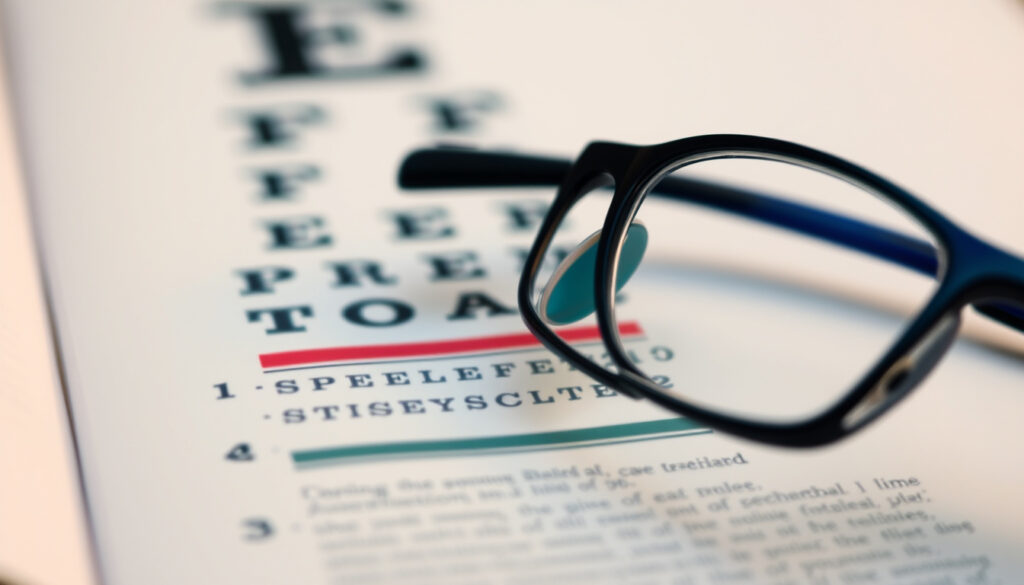
Lao Hua in English: Presbyopia Symptoms, Causes, Treatments
You’ve probably heard someone in their 40s say they need to hold the menu farther away — or complain that small print is getting harder to read. That’s not just aging eyes; it’s often presbyopia, known in Chinese as “lao hua.”
Typical Onset Age: 40–45 years · Percentage Affected by Age 50: Nearly 100% · Primary Cause: Loss of lens flexibility · Most Common Treatment: Reading glasses
Quick snapshot
- Presbyopia is a normal aging process (SingHealth (Singapore’s public healthcare system))
- It affects nearly everyone by age 50 (Channel NewsAsia (Singapore news outlet))
- Reading glasses are effective (SingHealth)
- Whether natural methods (eye exercises, diet) can reverse presbyopia (Clearvision Eye Clinic Singapore (specialist ophthalmology clinic))
- Long-term efficacy of surgical options beyond 10 years (Asia Pacific Eye Centre (Singapore eye centre))
- Typically starts around age 40 (SingHealth)
- Progression slows and stabilises around age 65 (Asia Pacific Eye Centre)
- Schedule an eye exam if near vision blurs (SingHealth)
- Choose from reading glasses, bifocals, contacts, or surgery (Asia Pacific Eye Centre)
Five facts in the table below capture the essentials of lao hua at a glance — the key takeaway: it’s universal and manageable.
| Label | Value |
|---|---|
| English Name | Presbyopia |
| Chinese Name | Lao Hua (old flower) |
| Age of Onset | 40–45 years |
| Is It Reversible? | No, but manageable |
| Common Remedial Options | Reading glasses, lenses, surgery |
What is lao hua called in English?
- Lao hua is the Chinese term for presbyopia (Clearvision Eye Clinic Singapore).
- Presbyopia is an age-related condition affecting near vision (SingHealth).
- It typically begins around age 40 (SingHealth).
What this means: For the millions of Chinese-dialect speakers in Singapore, Malaysia and beyond, “lao hua” is the everyday label for a universal eye condition — but the clinical name presbyopia is the one used by doctors globally.
What are the symptoms of Lao Hua?
What are the first signs of presbyopia?
- Difficulty reading small print (SingHealth)
- Need to hold reading material farther away (SingHealth)
- Eye strain or headaches after close work (OWNDAYS Singapore (optical retailer))
- Blurry near vision, especially in dim light (OWNDAYS Singapore)
The pattern: Symptoms often creep in gradually — a reader might blame bad lighting before realising their eyes have changed. The earlier the adaptation, the less disruption to daily life.
What is the main cause of presbyopia?
At what age does presbyopia stop getting worse?
- Natural aging of the eye lens (SingHealth)
- Lens becomes less flexible over time (SingHealth)
- Loss of elasticity reduces ability to focus on near objects (Asia Pacific Eye Centre)
- Presbyopia progression stabilises around age 65 (Asia Pacific Eye Centre)
Because the lens stiffens from within, no amount of eye exercise can “loosen” it — presbyopia is a structural change, not a muscle weakness.
Why this matters: A 45-year-old who understands that the change is irreversible can skip gimmicks and invest in proven solutions like reading glasses or surgery.
What is the best treatment for presbyopia?
Can you fix presbyopia naturally?
- No natural cure exists; lifestyle changes can help manage symptoms (Clearvision Eye Clinic Singapore)
- Reading glasses are the simplest solution (SingHealth)
- Bifocals or progressive lenses provide seamless distance and near correction (Asia Pacific Eye Centre)
- Contact lenses (monovision) offer an alternative to glasses (Asia Pacific Eye Centre)
- Laser surgery options (e.g., LASIK, conductive keratoplasty) can improve near vision (Channel NewsAsia)
- Corneal inlay procedure is another surgical path (Asia Pacific Eye Centre)
How do you treat Lao Hua?
- The approach is chosen based on lifestyle and eye health — an eye doctor will guide you (SingHealth)
Surgical options carry risks of overcorrection or dry eye, making reading glasses the safest first-line choice for most people in their 40s and 50s.
The catch: Natural remedies like eye exercises have no scientific backing — the eye doctor’s office, not a YouTube video, is where real solutions begin.
What is the difference between long sighted and presbyopia?
What is hyperopia?
Four key contrasts, one underlying theme: hyperopia is a birth condition, presbyopia is an age-related change.
| Feature | Hyperopia (long sighted) | Presbyopia (lao hua) |
|---|---|---|
| Cause | Refractive error — eye is too short or cornea too flat (SingHealth) | Loss of lens elasticity with age (Asia Pacific Eye Centre) |
| Age of onset | Present from birth; often diagnosed in childhood (Clearvision Eye Clinic Singapore) | Develops in middle age, usually 40+ (SingHealth) |
| Typical correction | Prescription glasses or contacts worn continuously (Asia Pacific Eye Centre) | Reading glasses for near tasks, or multifocal lenses (SingHealth) |
What this means: A person can be hyperopic from birth and later develop presbyopia — both conditions together simply mean needing more powerful reading glasses.
Upsides
- Reading glasses are inexpensive and widely available
- Surgical options offer freedom from glasses for many years
- Progression is predictable and slow
Downsides
- No permanent cure; management required for life
- Surgery can cause dry eye or glare
- Natural remedies are ineffective
“Presbyopia (Lao Hua) is an age-related condition in which a person is unable to focus on near objects.”
— Singapore Health Services (SingHealth)
“…affects almost everyone by the age of 50.”
— Singapore National Eye Centre (SNEC), as quoted by Channel NewsAsia
The bottom line: For anyone in their 40s noticing blurry near vision, the choice is clear: schedule an eye exam today, or accept worsening eye strain and headaches that make reading menus a chore.
Related reading: How to Reduce Blood Pressure Naturally with Diet, Exercise, and Lifestyle Change · 7 Warning Signs of Dengue Fever: Spot Early – CDC Guide
drgoheye.com.sg, youtube.com, snec.com.sg, clearvision.com.sg
Frequently asked questions
How do you treat Lao Hua?
Reading glasses are the most common treatment. Bifocals, progressive lenses, monovision contact lenses, and laser surgery are also effective options. An eye doctor can recommend the best fit for your lifestyle. (SingHealth)
How to prevent lao hua?
There is no known way to prevent presbyopia because it is a natural aging process. Regular eye exams and good lighting can help manage symptoms. (Asia Pacific Eye Centre)
Is presbyopia the same as farsightedness?
No. Farsightedness (hyperopia) is a refractive error present from birth. Presbyopia is an age-related loss of focusing ability that develops around age 40. (Clearvision Eye Clinic Singapore)
Can presbyopia be reversed?
No, presbyopia is not reversible. It is a natural part of aging. However, it can be managed effectively with glasses, contacts, or surgery. (Clearvision Eye Clinic Singapore)
What type of glasses do I need for presbyopia?
Most people start with single-vision reading glasses. Bifocals or progressive lenses are better if you already need distance correction. (Asia Pacific Eye Centre)
Do I need surgery for presbyopia?
Not necessarily — glasses are the first-line solution. Surgery (LASIK, conductive keratoplasty, corneal inlay) is an option for those who want to reduce dependence on glasses, but it carries risks. (Channel NewsAsia)
How does aging affect the eye lens?
With age, the lens gradually loses elasticity and becomes harder. This prevents it from changing shape to focus on close objects, causing blurry near vision. (SingHealth)
More related posts
 Wisdom Tooth Extraction Cost – Average Prices and Factors
 Top Shipping Companies in Singapore: 2026 Industry Leaders
 English to Vietnamese Translation Tools & Key Phrases
 Galaxy S25 Live Effect Photo: How to Enable and Use
 Secured Credit Card Singapore: Guide, Banks & Eligibility
 Ceiling Fan With Light Singapore – Best DC Models For HDB Flats
 Galaxy S23 FE to Buy: Worth It in 2025? Price, Specs & Reviews
