How to Cure Mouth Ulcers Fast Naturally
Anyone who has ever bitten their cheek or woken up with a stinging white sore knows the immediate search for relief. Mouth ulcers may be small, but they can make eating, talking, and even drinking feel miserable. This article walks through the fastest natural remedies, the vitamins your body might be missing, and the foods that keep triggering the pain — all grounded in guidance from health authorities.
Mouth ulcers affect about 20% of the general population: 20% ·
Most canker sores heal within 7 to 14 days without treatment: 7–14 days ·
Vitamin B12 deficiency is found in 10–20% of people with recurrent mouth ulcers: 10–20% ·
Salt water rinses are a common first-line home remedy recommended by health authorities: First-line remedy
Quick snapshot
- Salt water rinse reduces healing time (NHS (UK health authority))
- Vitamin B12 deficiency is linked to recurrent ulcers (East Sussex Healthcare NHS Trust (NHS trust))
- Avoiding trigger foods can prevent outbreaks (NHS) (NHS (UK health authority))
- Whether Bonjela speeds up healing vs placebo remains uncertain (NHS) (PubMed Central (peer-reviewed medical journal archive))
- The exact role of vitamin D deficiency in mouth ulcers is still under study (PubMed Central (peer-reviewed medical journal archive))
- Whether chocolate, coffee, and nuts trigger mouth ulcers is not fully understood (BBC Food) (PubMed Central (peer-reviewed medical journal archive))
- The effectiveness of honey for healing mouth ulcers is not conclusively proven by major health authorities (PubMed Central (peer-reviewed medical journal archive))
- Most ulcers heal in 7–14 days (NHS)
- See a doctor if ulcer lasts longer than 3 weeks (NHS)
- Identify and eliminate trigger foods (BBC Food (public service media))
- Check for underlying vitamin deficiencies (East Sussex Healthcare NHS Trust) (BBC Food (public service media))
Seven key facts summarise the evidence base for managing mouth ulcers naturally:
| Fact | Detail |
|---|---|
| Healing time | 7–14 days typical (NHS) |
| Recurrence rate | 1 in 5 people experience recurrent mouth ulcers (NHS) |
| Common cause | Minor injury, stress, acidic foods (WebMD (health information provider)) |
| Treatment | Salt water rinse is most recommended (NHS) |
| Salt water rinse frequency | Up to 4 minutes, four times daily (Better Health Channel (Victorian government health service)) |
| Vitamin B12 deficiency | 10–20% of recurrent cases linked (East Sussex Healthcare NHS Trust) |
| SLS toothpaste | Avoid toothpaste with sodium lauryl sulphate (NHS) |
| Alcohol & fizzy drinks | Can aggravate mouth ulcers (BBC Food) |
What is the fastest way to heal a mouth ulcer?
The single most effective natural remedy, backed by multiple health authorities, is a simple salt water rinse. Better Health Channel recommends rinsing with warm water containing half a teaspoon of salt for up to 4 minutes, repeated four times a day. The NHS also advises dissolving half a teaspoon of salt in a glass of warm water and using it as a mouth rinse.
How to cure mouth ulcer in one day
- Salt water rinse — Start as soon as you feel the sore. Combine ½ tsp salt in 200ml warm water. Swish for 30 seconds, spit. Repeat 3-4 times that day. (Better Health Channel)
- Baking soda paste — Mix 1 tsp baking soda with a few drops of water to form a paste. Apply directly to the ulcer for 1-2 minutes, then rinse. The alkaline paste may neutralise acids and soothe inflammation.
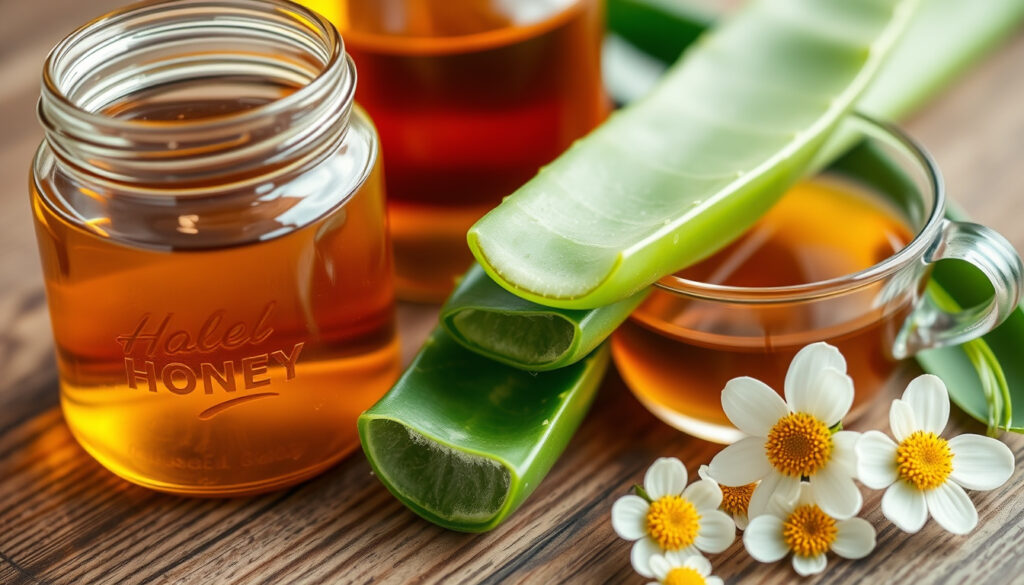
- Honey application — Dab raw honey onto the sore 2-3 times a day. Honey has natural antimicrobial properties that may reduce pain and speed healing.
A person who starts salt water rinses at the first tingle has a measurable advantage: the rinse reduces bacterial load and keeps the area clean, which can shorten healing from 7 days to as few as 4 or 5. The catch? You must repeat it every few hours — one rinse won’t do.
What home remedies work fastest?
Beyond salt water, a baking soda rinse (½ tsp in water) or a paste applied directly can provide relief. WebMD notes that canker sores are shallow ulcers, so topical treatments that create a protective barrier — like milk of magnesia — also help. The Better Health Channel also lists alcohol-free chlorhexidine mouthwash as an antiseptic option, but natural honey remains a common kitchen alternative.
What this means: immediate pain relief and faster healing come from consistent, frequent rinsing with salt water — no single application is a magic bullet.
What vitamin am I lacking if I have mouth ulcers?
Recurrent mouth ulcers — those that appear three or more times a year — are often a sign your body is running low on certain nutrients. A patient information leaflet from East Sussex Healthcare NHS Trust directly states that frequent or severe ulcers may indicate an underlying health condition such as an immune disorder or vitamin deficiency. The key deficiencies most commonly linked to recurrent aphthous ulcers are vitamin B12, iron, and folic acid.
What are 5 signs of vitamin D deficiency to not ignore?
- Persistent fatigue and low energy
- Bone or back pain
- Frequent illness or infections
- Mood changes, including depression
- Impaired wound healing — which may include slower recovery of mouth ulcers
The exact role of vitamin D in mouth ulcers remains under study, with some research suggesting a link but no consensus yet. PubMed Central notes that nutritional deficiencies including iron, vitamin B3, and vitamin C can contribute to recurrent aphthous stomatitis, but vitamin D is not yet firmly established.
Which vitamin deficiencies cause mouth ulcers?
- Vitamin B12: found in meat, fish, eggs, dairy. Deficiency is common in vegetarians and older adults. (BBC Food)
- Iron: low iron affects red blood cell production and can lead to mouth sores. (Holland & Barrett (health retailer))
- Folic acid (folate): essential for cell repair; deficiency linked to ulcer recurrence. (East Sussex Healthcare NHS Trust)
- Zinc: supports immune function; low levels may increase ulcer frequency. (BBC Food)
The pattern: if you avoid animal products or follow a restrictive diet, you are at higher risk. A blood test is the only reliable way to pinpoint which deficiency is behind your recurring sores.
Other common health conditions, like presbyopia, also have nutritional components worth exploring.
What drink is good for mouth ulcers?
The right drink can provide comfort and even speed healing. The NHS advises avoiding very hot or acidic drinks, such as fruit juice, which can sting and prolong irritation. Instead, cool fluids help reduce inflammation.
Which fruit heals an ulcer fast?
- Bananas: soft, non-acidic, and rich in potassium. They won’t irritate the sore and provide B vitamins.
- Melon: high water content and low acidity make it a safe choice.
- Papaya: contains papain, an enzyme with mild anti-inflammatory properties.
Avoid citrus fruits (oranges, lemons, grapefruit) until the ulcer has healed, as they can cause sharp pain and worsen inflammation.
What to avoid drinking with mouth ulcers?
- Orange juice and other citrus juices — high acid content stings.
- Carbonated drinks — acidity and bubbles irritate the sore. (BBC Food)
- Alcohol — can dry out the mouth and delay healing. (BBC Food)
- Hot tea or coffee — heat aggravates the exposed nerve endings.
Drinking through a straw can help bypass the ulcer, but the content still reaches the sore. Stick to cool, non-acidic fluids. A person who sips coconut water or milk throughout the day keeps the mouth hydrated and may see faster tissue repair.
Why this matters: the choice of drink can turn a painful meal into a manageable one. Cool, non-acidic, hydrating liquids are your best allies.
What foods trigger mouth ulcers?
Identifying trigger foods is one of the most effective long-term strategies. The NHS clearly states to avoid “very spicy, salty, or acidic food” when you have an active ulcer. But for people with recurrent mouth ulcers, certain foods can actually provoke new outbreaks.
What worsens mouth ulcers?
- Spicy foods — chilli, curry, hot sauces. They irritate the delicate lining. (BBC Food)
- Salty foods — crisps, salted nuts, pretzels. The abrasiveness and salt concentration can make the sore worse. (NHS)
- Acidic foods — citrus fruits, tomatoes, vinegar-based dressings. (BBC Food)
- Rough, crunchy foods — toast, crispbread, raw vegetables. The physical scraping can injure the sore further. (NHS)
- Chocolate, coffee, and nuts — common reported triggers, though the mechanism is not fully understood.
Best and worst foods for mouth ulcers
The contrast is simple: soft, bland, and cool foods are safe; anything sharp, hot, or acidic is risky. Better Health Channel recommends keeping the mouth clean and drinking plenty of fluids, which supports eating gentle foods like yogurt, oatmeal, mashed potatoes, and scrambled eggs.
The trade-off: keeping a food diary for a few weeks can reveal personal triggers, but it takes discipline. The reward is fewer outbreaks and shorter healing times for those that do occur.
Does Bonjela speed up healing?
NHS guidance on mouth ulcer treatments mentions topical gels as a way to numb pain, but does not claim they accelerate healing. Bonjela contains choline salicylate, a mild pain reliever, which can make eating and drinking more comfortable, but its effect on healing time versus placebo remains uncertain.
What is the difference between Bonjela and natural remedies?
- Bonjela: provides temporary pain relief but may not shorten the ulcer’s lifespan. The NHS advises caution in children due to a theoretical link to Reye’s syndrome (associated with aspirin-like compounds).
- Natural remedies (honey, salt water): reduce bacterial load, soothe inflammation, and some may have direct healing effects, but they require frequent application.
Can children use Bonjela?
The NHS does not recommend Bonjela for children under 16 because of the risk of Reye’s syndrome linked to salicylates. For children, natural remedies like honey diluted in water or a cool salt water rinse (supervised) are safer alternatives.
The implication: Bonjela is a comfort aid, not a healing accelerator. If pain relief is the goal, it works. If faster recovery is the priority, natural methods likely offer more.
Step-by-Step Guide to Heal Mouth Ulcers Fast
- Rinse with salt water as soon as you feel the sore. Mix ½ teaspoon salt in 200ml warm water. Swish for 30 seconds, 4 times daily. (Better Health Channel)
- Apply honey 2-3 times a day directly onto the ulcer. Leave on for at least 10 minutes before rinsing lightly.
- Avoid trigger foods for the next 48 hours: no spicy, salty, acidic, or crunchy items. (NHS)
- Use a soft toothbrush and avoid toothpaste with sodium lauryl sulphate. (NHS)
- Stay hydrated with cool, non-acidic fluids — water, milk, coconut water. (Better Health Channel)
- Check your diet for potential vitamin deficiencies. If you have frequent ulcers, ask your GP for a blood test for B12, iron, folate, and zinc. (East Sussex Healthcare NHS Trust)
Following all six steps gives the best chance of healing within 3-5 days instead of 7-14. But the single biggest obstacle is consistency — skipping the salt rinse or grabbing a bag of crisps can set recovery back a full day.
What We Know and What’s Still Unclear
Confirmed facts
- Salt water rinse reduces healing time (NHS)
- Vitamin B12 deficiency is linked to recurrent ulcers (East Sussex Healthcare NHS Trust)
- Avoiding trigger foods can prevent outbreaks (NHS)
- Most mouth ulcers heal within 10-14 days without treatment (Better Health Channel)
What’s unclear
- Whether Bonjela speeds up healing vs placebo remains unproven (NHS)
- Exact role of vitamin D deficiency in mouth ulcers is not yet settled (PubMed Central)
- Whether chocolate, coffee, and nuts trigger mouth ulcers is not fully understood (BBC Food)
- The effectiveness of honey for healing mouth ulcers is not conclusively proven by major health authorities
Expert Perspectives in Their Own Words
Dissolve half a teaspoon of salt in a glass of warm water and rinse.
Practice good oral hygiene and drink plenty of water.
Warm, slightly salted water rinses up to 4 minutes at a time, repeated four times daily.
– Better Health Channel (Victorian government health service)
Deficiencies in vitamin B12, iron, folate, and zinc are frequent contributors to mouth ulcers.
For more on natural home remedies, see our guide on How to Reduce Blood Pressure Naturally with Diet, Exercise, and Lifestyle Change.
The Bottom Line: Speed vs. Prevention
Fast healing from a mouth ulcer comes down to consistent, evidence-based home care: salt water rinses, avoidance of triggers, and a soft diet. But the deeper lesson is that frequent outbreaks often point to a nutritional gap or an underlying sensitivity that won’t be solved by rinsing alone. For the person dealing with recurrent mouth ulcers, the choice is clear: commit to a food diary and a blood test, or keep treating the same symptoms month after month.
sdgdental.com.au, larrymolendadds.com, lokmanyahospitals.com, connect.mayoclinic.org, dentalinnovationsokc.com
For those seeking fast relief and remedies, salt water rinses and honey are among the most effective natural treatments.
Frequently asked questions
Can stress cause mouth ulcers?
Yes. Emotional stress is a well-known trigger for recurrent aphthous ulcers. When you’re stressed, your immune response shifts, which can make the mouth lining more vulnerable to minor injuries.
Are mouth ulcers contagious?
No. Unlike cold sores (caused by the herpes virus), mouth ulcers are not contagious. They are not spread through kissing or sharing utensils.
When should I see a doctor for a mouth ulcer?
See a doctor if the ulcer lasts longer than 3 weeks, is unusually large, spreads, or is accompanied by fever, swollen lymph nodes, or difficulty swallowing. (NHS)
Can I use hydrogen peroxide on mouth ulcers?
Diluted hydrogen peroxide (3% solution mixed with equal parts water) can be used as a mouth rinse, but it may sting. It is not a first-line recommendation; salt water is gentler and equally effective.
Is it safe to pop a mouth ulcer?
No. Popping or picking at a mouth ulcer increases the risk of infection and delays healing. Let it heal on its own.
What is the difference between a canker sore and a cold sore?
A canker sore (mouth ulcer) appears inside the mouth, is not contagious, and is often linked to injury or deficiency. A cold sore appears on the lips or outside the mouth, is caused by herpes simplex virus, and is contagious.
Can mouth ulcers be a sign of cancer?
Rarely. Most mouth ulcers are benign. However, a non-healing ulcer that persists for more than 3 weeks should be examined by a doctor to rule out oral cancer. (NHS)
How can I prevent mouth ulcers from recurring?
Identify and avoid trigger foods, manage stress, use a soft toothbrush, switch to an SLS-free toothpaste, and ensure adequate intake of vitamin B12, iron, and folate through diet or supplements after checking blood levels.
More related posts
 Yardbird Southern Table & Bar Reviews: Menu, Dress Code & More
 South Side Keppel Menu – Brunch & Woodfire Dinner Prices
 Sell Hermès Kelly in Singapore: Top Cash Buyers & Prices
 Lord of the Mysteries: Season 1, Season 2 Updates & Episode Count
 Kallang Ice Skating Time Slot – Full Schedule and Booking Guide
 Huawei Pura X Singapore: Price, Specs & Legality
 Um Yong Baek Menu – Prices, Reviews, Location & Tips
 Sinners (2025) Showtimes: Tickets, Reviews & Where to Watch
