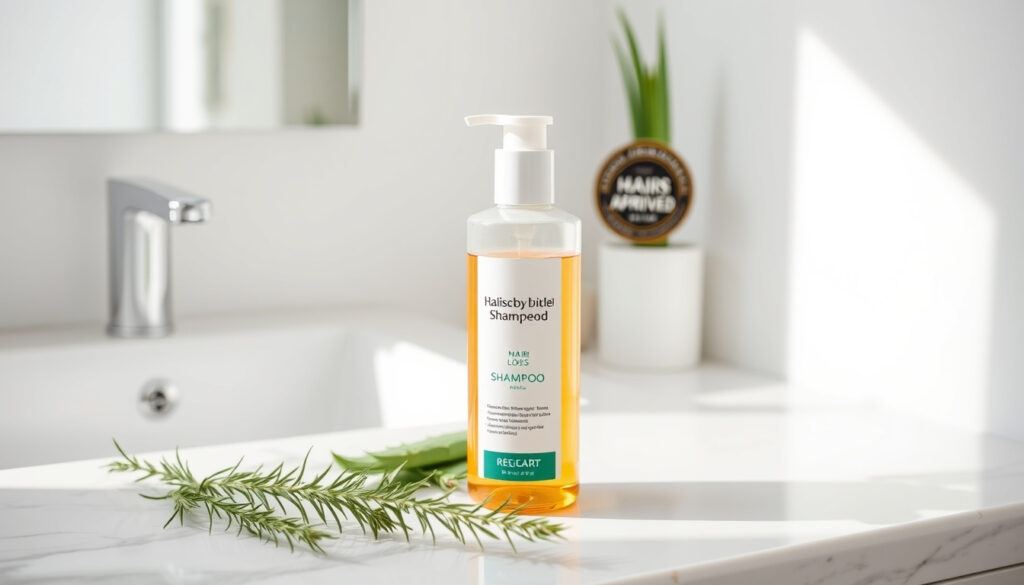
Best Shampoo for Hair Loss – Dermatologist Recommendations
Finding the right shampoo for hair loss can feel overwhelming. With countless products making bold claims, it helps to know which ones actually have research behind them. This guide breaks down the top dermatologist-recommended options, the science behind how they work, and what you can realistically expect.
Hair loss affects millions of people worldwide, yet the market for anti-loss shampoos continues to grow. The key lies in understanding which active ingredients have clinical evidence and matching them to your specific type of hair loss. Whether you are dealing with androgenetic alopecia, thinning related to hormonal changes, or scalp conditions that contribute to shedding, the right shampoo can play a supporting role in your routine.
Dermatologists emphasize that shampoos alone rarely reverse significant hair loss, but they can create a healthier scalp environment and complement other treatments. The most effective options contain ingredients like ketoconazole, caffeine, or specific botanical extracts that target the mechanisms behind pattern baldness.
What Is the Best Shampoo for Hair Loss?
According to current rankings from dermatology-focused publications, Nizoral 2% ketoconazole shampoo consistently tops lists as the best overall option for hair loss, particularly for androgenetic alopecia in both men and women. This shampoo demonstrated effectiveness comparable to 2% minoxidil in improving hair density, follicle size, and anagen (growth phase) proportion.
Key Insights on Top-Rated Hair Loss Shampoos
- Ketoconazole 2% remains the most research-backed ingredient for androgenetic alopecia, showing density improvements similar to topical minoxidil in clinical trials.
- Caffeine shampoos demonstrate reduced hair loss within 3 to 6 months of consistent use, with minimal reported side effects.
- Natural options like rosemary extract work best as adjuncts rather than standalone treatments for pattern baldness.
- Shampoos containing piroctone olamine effectively reduce scalp inflammation and dandruff without causing further hair loss.
- Stemoxydine in products like Kérastase Densifique provides volumizing benefits for fine, thinning hair in women.
- Dermatologists recommend pairing medicated shampoos with treatments like minoxidil or finasteride for androgenetic alopecia.
- Consistency matters more than frequency—twice-weekly use of active ingredient shampoos often yields better results than daily washing.
| Fact | Detail | Source Type |
|---|---|---|
| Hair loss prevalence | Approximately 50 million women and 85 million men in the United States experience clinically significant hair loss | Epidemiological data |
| FDA-approved ingredient | Ketoconazole 1% is approved for seborrheic dermatitis; 2% formulations are used off-label for androgenetic alopecia | Regulatory |
| Clinical trial finding | Ketoconazole 2% matched 2% minoxidil in improving hair density and anagen proportion in Norwood stage 3 patients | Clinical study |
| Dandruff reduction | Nizoral 2% achieved 80% dandruff reduction within 4 weeks of use | Clinical study |
| Caffeine study timeline | Significant hair loss reduction observed after 3 months of caffeine shampoo use | Clinical study |
| Phyto-caffeine evidence | 6-month study showed significant improvements in hair pull test for women using phyto-caffeine shampoo | Clinical study |
| Dermatologist endorsement | Multiple dermatologists endorse ketoconazole for scalp and follicle support in androgenetic alopecia | Expert consensus |
Do Shampoos for Hair Loss Actually Work?
The short answer is yes—but with important caveats. Shampoos designed for hair loss can slow shedding, improve scalp conditions, and support overall hair health. However, they rarely produce dramatic regrowth on their own, especially for genetic forms of alopecia.
Understanding the Science Behind Effectiveness
Research supports the efficacy of certain ingredients in hair loss shampoos. Ketoconazole, the active compound in Nizoral 2% ketoconazole shampoo, has demonstrated measurable benefits in clinical settings. A study on men with Norwood stage 3 androgenetic alopecia found improvements in hair density and follicle size comparable to results seen with 2% minoxidil treatment.
The mechanism involves ketoconazole’s anti-inflammatory properties and its potential to reduce DHT (dihydrotestosterone) on the scalp. DHT is a hormone that shrinks hair follicles in genetically predisposed individuals, making ketoconazole’s dual action particularly valuable for pattern baldness.
Realistic Timelines for Results
Dermatologists note that hair loss shampoos require patience. The typical timeline for observable results follows a consistent pattern, though individual responses vary based on the cause and severity of hair loss.
- First 4 weeks: Reduced scalp flakiness and improved scalp comfort, particularly with antifungal ingredients like ketoconazole or piroctone olamine.
- Months 2-3: Noticeable reduction in daily shedding for most users, especially with caffeine-based formulations.
- Months 4-6: Improved hair thickness and density reported in clinical studies, particularly for women using phyto-caffeine shampoos.
- Beyond 6 months: Maximum benefits plateau. Continued use maintains results; discontinuation may lead to gradual return of symptoms.
Shampoos for hair loss work best when combined with other treatments. Dermatologists consistently emphasize that for androgenetic alopecia, shampoo alone cannot replace medications like minoxidil or finasteride. Think of shampoo as part of a comprehensive hair care routine rather than a standalone solution.
What Ingredients Are Best for Hair Loss Shampoos?
The efficacy of a hair loss shampoo hinges entirely on its active ingredients. Research identifies several compounds with meaningful evidence behind them, ranging from pharmaceutical-grade actives to botanical extracts.
Ketoconazole: The Gold Standard
Ketoconazole remains the most thoroughly researched anti-hair loss shampoo ingredient. Originally developed as an antifungal agent, it also exhibits anti-androgenic properties that benefit individuals with androgenetic alopecia. The 2% formulation, available in products like Nizoral, has shown particular promise in clinical trials.
Beyond its primary mechanism, ketoconazole addresses seborrheic dermatitis and dandruff—conditions that can exacerbate hair loss by creating chronic scalp inflammation. Users typically see an 80% reduction in dandruff symptoms within four weeks, improving the overall environment for hair growth.
Caffeine and Phyto-Caffeine: Accessible Alternatives
Caffeine has emerged as a well-supported alternative for both men and women experiencing pattern hair loss. A 2025 review highlighted caffeine’s long-term viability with few side effects, making it an attractive option for those seeking gentler solutions.
Phyto-caffeine, found in products like Plantur 39 Phyto-Caffeine, combines plant-derived caffeine with other scalp-nourishing compounds. Studies show significant improvements in hair pull tests within six months of consistent use, with reductions in hair loss detectable after three months.
Other Notable Ingredients
Several additional compounds merit consideration depending on your specific concerns:
- Piroctone olamine: Effective against dandruff and scalp inflammation; found in Head & Shoulders Dermax Pro. Unlikely to cause hair loss and may actually support follicle health.
- Stemoxydine: Developed by L’Oréal, this ingredient creates a hypoxic environment that awakens dormant follicles. Particularly beneficial for women with fine, thinning hair.
- Rosemary extract: Natural option showing promise for male pattern baldness, especially in oily scalp conditions. Best used alongside proven treatments rather than alone.
- Adenosine: Often paired with caffeine; supports hair growth through vasodilatory effects. Found in formulations like DSD de Luxe 3.1 Intense.
For androgenetic alopecia with dandruff: choose ketoconazole 2%. For general thinning with sensitive scalp: caffeine or phyto-caffeine options work well. For female pattern hair loss with fine hair: stemoxydine-based products offer volumizing benefits.
What Is the Best Shampoo for Women’s Hair Loss?
Women experiencing hair loss have distinct needs compared to men, and the best shampoos address these differences. Female pattern hair loss typically presents as diffuse thinning across the crown rather than receding hairlines, requiring formulations that add volume while supporting follicle health.
Top Recommendations for Women
Plantur 39 Phyto-Caffeine emerges as the leading choice for women’s hair loss based on current evidence. A six-month clinical study demonstrated significant improvements in hair pull test results, with measurable reductions in hair loss occurring within three months. The phyto-caffeine formula suits women dealing with hormonal thinning, postpartum hair loss, or general age-related density loss.
Kérastase Densifique Femme offers another strong option, featuring stemoxydine as its active ingredient. This compound creates conditions favorable for hair thickening and volumizing, making it particularly effective for women with fine hair who want to maximize the appearance of density.
Caffeine shampoos generally perform well for women due to their gentle formula and low risk of side effects. The 2025 review noting long-term use safety makes caffeine an accessible starting point for women new to anti-hair loss products.
Special Considerations for Women’s Hair Care
Women should pay attention to several factors beyond ingredient selection. Color-treated hair, heat styling, and hormonal changes all influence which shampoo will perform best. Sulfate-free formulations may benefit those with chemically processed hair, while those with seborrheic conditions might prioritize antifungal ingredients.
Women experiencing sudden or patchy hair loss should consult a dermatologist before relying on shampoo alone. These patterns may indicate underlying conditions requiring medical intervention beyond topical treatments.
What Is the Best Shampoo for Men’s Hair Loss?
Men’s hair loss typically follows predictable patterns, most commonly Norwood stage androgenetic alopecia beginning at the temples or crown. This consistency allows for targeted formulation recommendations based on stage and associated scalp conditions.
Top Recommendations for Men
For men with androgenetic alopecia, ketoconazole 2% remains the evidence-backed choice. Clinical trials on men with Norwood stage 3 vertex balding demonstrated improvements in hair density and anagen proportion matching those achieved with 2% minoxidil. The dual action of reducing DHT locally while treating seborrheic dermatitis makes this particularly valuable for men experiencing both genetic hair loss and scalp flakiness.
Faith In Nature Rosemary provides a natural alternative for men who prefer botanical formulations. While the evidence base is less robust than pharmaceutical options, rosemary extract shows promise for male pattern baldness, particularly when combined with other active treatments. For those interested in a comprehensive understanding of hair loss treatments, explore dermatologist-recommended shampoos and the science behind them at Swollen feet warning signs.
Building an Effective Men’s Routine
Dermatologists stress that men should view shampoo as one component of a broader hair loss management strategy. Ketoconazole or caffeine shampoos work synergistically with oral or topical medications, potentially enhancing overall outcomes.
Consistency proves crucial for men using hair loss shampoos. Results typically emerge within three to six months, and maintenance requires continued use. Discontinuation may gradually reverse the benefits gained.
When Can You Expect Results?
Understanding realistic timelines helps set appropriate expectations. While individual responses vary, patterns emerge from clinical data and dermatologist observations.
- Three months of consistent use: Most users notice reduced daily shedding and improved scalp condition. Caffeine-based shampoos show significant loss reduction at this stage.
- Six months of consistent use: Density improvements become visible. Phyto-caffeine users show measurable gains in hair pull tests, while ketoconazole users demonstrate follicle health improvements.
- Twelve months: Maximum density benefits plateau. Continued use maintains results; benefits gradually diminish after discontinuation.
Results vary based on the underlying cause of hair loss, severity at treatment initiation, genetic factors, and consistency of use. Users with early-stage androgenetic alopecia generally see better outcomes than those with advanced loss.
What Remains Clear and Uncertain?
Transparency about what science supports versus what remains unclear helps readers make informed decisions about hair loss shampoos.
| Established (Evidence-Based) | Still Uncertain (Needs More Research) |
|---|---|
| Ketoconazole 2% reduces DHT locally and improves density comparable to 2% minoxidil | Exact mechanism by which caffeine promotes hair growth in humans |
| Caffeine shampoos reduce hair loss within 3-6 months with minimal side effects | Optimal concentration for botanical extracts like rosemary |
| Shampoos effectively treat dandruff and scalp inflammation contributing to loss | Long-term effects of combining multiple active shampoo ingredients |
| Consistency and duration of use significantly impact results | Which specific population subgroups respond best to particular ingredients |
Understanding Hair Loss and the Role of Shampoo
Hair loss occurs through various mechanisms, but androgenetic alopecia accounts for the majority of cases in both men and women. This hereditary condition involves genetic sensitivity to DHT, which progressively miniaturizes hair follicles over time.
Shampoo plays a supporting role in managing this condition by maintaining scalp health, potentially reducing local DHT accumulation, and creating an optimal environment for other treatments to work effectively. While no shampoo can fully reverse genetic hair loss on its own, strategic use of evidence-based formulations complements medical interventions.
Other factors contributing to hair loss include nutritional deficiencies, stress, hormonal changes, autoimmune conditions, and mechanical damage. A comprehensive approach addresses underlying causes alongside topical support.
What Do Experts Say?
Dermatologist insights provide valuable context for evaluating hair loss shampoos. Clinical experts who have studied these products offer perspectives grounded in both research and practice.
Scalp products containing caffeine show promise for androgenetic alopecia. While more research is needed, the available evidence supports their use as part of a broader treatment approach.
— Dermatologist commentary, Wimpole Clinic research
Ketoconazole remains a cornerstone of scalp care for patients with androgenetic alopecia. Its anti-inflammatory and anti-androgenic properties address multiple pathways contributing to hair loss.
— Clinical evidence synthesis, hair loss research publications
Summary and Practical Steps
Selecting the best shampoo for hair loss depends on your specific type of hair loss, scalp condition, and treatment goals. The evidence points clearly to ketoconazole 2% as the most research-backed option, particularly for androgenetic alopecia with associated dandruff. Caffeine and phyto-caffeine formulations offer well-supported alternatives with excellent safety profiles, especially beneficial for women.
For meaningful results, consistent use over several months remains essential. Shampoo supports but does not replace medical treatments for significant hair loss. Consider your specific needs—whether addressing pattern baldness, thinning related to hormonal changes, or scalp inflammation—and choose formulations targeting those concerns.
Are there natural shampoos that help with hair loss?
Natural options like rosemary extract, black seed oil, tea tree oil, and aloe vera can support scalp health and may help with hair loss related to oily scalp or stress. However, they work best as adjuncts rather than standalone treatments for genetic hair loss.
Does ketoconazole shampoo stop hair loss?
Ketoconazole 2% has demonstrated effectiveness in reducing hair loss associated with androgenetic alopecia. Clinical studies show improvements in hair density and anagen proportion comparable to 2% minoxidil, though individual results vary.
What is the best caffeine shampoo for hair loss?
Plantur 39 Phyto-Caffeine ranks among the top caffeine shampoos for hair loss, with a six-month study showing significant improvements in hair pull tests. DSD de Luxe 3.1 Intense also shows promise with demonstrated loss reduction over three months.
How long does it take for hair loss shampoo to work?
Most users see reduced shedding within two to three months and noticeable density improvements by six months. Maximum benefits typically plateau around twelve months of consistent use.
What shampoo do dermatologists recommend for hair loss?
Dermatologists most commonly recommend ketoconazole 2% shampoos like Nizoral for androgenetic alopecia, particularly when accompanied by dandruff or scalp inflammation. Caffeine-based shampoos are also frequently suggested for their safety profile.
Can shampoo alone reverse hair loss?
Shampoo alone rarely reverses significant genetic hair loss. However, evidence-based shampoos can slow loss, improve scalp conditions, and support other treatments. They work best as part of a comprehensive approach including medications like minoxidil when appropriate.
More related posts
 Tipo Strada Keong Saik: Handmade Halal Pasta from S$10.90
 What to Eat for Dinner Tonight: Lazy and Easy Recipes
 How to Turn Off Windows Notifications: 10 & 11 Guide
 Sinners (2025) Showtimes: Tickets, Reviews & Where to Watch
 E2i Job Fair 2025 – Complete Toronto Guide for Newcomers
 Sell Hermès Kelly in Singapore: Top Cash Buyers & Prices
 Nippon Rent a Car Guide: Rates, Documents & Policies
 Minister of Transport Singapore: Jeffrey Siow and Leadership
