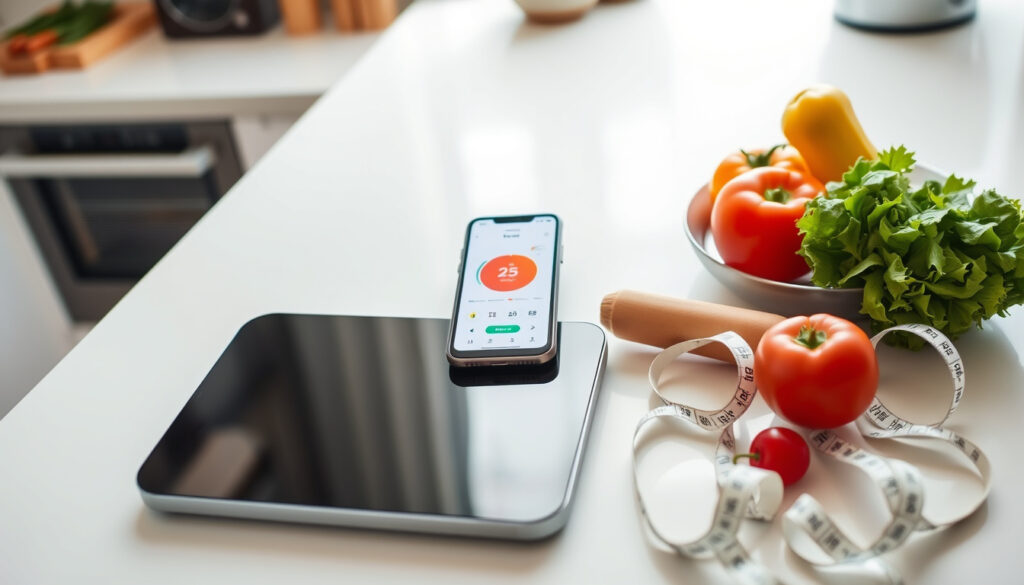
Weight Watchers (WW) 2026: What It Is, How It Works
Anyone who’s ever tried to lose weight knows the hardest part isn’t starting — it’s finding a plan that actually fits your life. Weight Watchers, now called WW, has been around since 1963, but the 2026 version looks nothing like the old points system your parents used. It’s a personalized, app-driven program that now includes medical weight-loss support through telehealth and prescription medications.
Founded: 1963 ·
Rebranded to WW: 2018 ·
Members (historical): Over 40 million ·
Program Type: Points-based + GLP-1 medication support
Quick Snapshot
- WW rebranded from Weight Watchers in 2018 (WeightWatchers (official program site))
- Core program uses a personalized Points budget (WeightWatchers)
- Now offers GLP-1 medication support via WW Clinic (Just Average Jen (third-party guide))
- Exact current membership numbers
- Future pricing changes
- Specific 2026 effectiveness statistics
- Personalized Points budget that adapts to your body and goals (WeightWatchers)
- Zero-point foods list (WebMD (medical review site))
- Activity tracking adds extra Points (YouTube (user explainer))
- WW continues evolving with GLP-1 medication and telehealth coaching (Just Average Jen)
- Digital app remains central with barcode scanning and meal planning (WebMD)
Six key facts about WW, from its founding to its current leadership.
| Label | Value |
|---|---|
| Founded | 1963 |
| Rebranded to WW | 2018 |
| Members (historical) | Over 40 million |
| Program Type | Points-based + GLP-1 medication support |
| Headquarters | New York City |
| CEO | Sima Sistani |
What is WW?
What is WW used for?
- WW is primarily a weight management program that uses a personalized Points system instead of calorie counting (WeightWatchers (official program site)).
- It also serves as a platform for medical weight loss through WW Clinic, which offers telehealth consultations and prescription medications (Just Average Jen (third‑party guide)).
- WebMD reports that WW uses user details such as age, weight, height, sex assigned at birth, and weight‑loss goals to set a target (WebMD (medical review site)).
What is WW now?
- WW now refers to the entire ecosystem: the points‑based program, the app, coaching, and optional medical support via prescription medications (WeightWatchers).
- The company rebranded from Weight Watchers to WW in 2018 to reflect a broader wellness focus.
- WW describes the plan as adaptive to a user’s body and goals (WeightWatchers).
The pattern: WW has shifted from a simple diet plan to a hybrid program combining behavioral coaching, a flexible points system, and medical weight‑loss tools.
Does WW still exist?
- Yes, WW is still active and growing. As of 2026, the program is available in the US, UK, Canada, and several other countries.
- WW has evolved to include digital tools and medication support, moving beyond the old meetings‑only model (WeightWatchers (blog starter guide)).
- Members can now track meals, water, sleep, activity, and weight in the WW app (WebMD).
The implication: WW didn’t just survive the diet industry shakeup — it adapted faster than many competitors. By adding GLP‑1 support, it positioned itself at the intersection of lifestyle and medical weight loss, a spot few pure diet plans can claim.
How to use the Weight Watchers app?
What is the WW app?
- The WW app is the central hub for tracking Points, meals, activity, and weight. It includes a barcode scanner, recipe database, meal planner, activity tracker, and Connect community (WeightWatchers).
- WebMD notes that members can track meals, water intake, sleep, activity, and weight loss in the WW app (WebMD).
- A third‑party YouTube explainer shows the recipe builder that calculates Points from ingredients and servings (YouTube (user tutorial)).
How do I get the WW app?
- Visit the App Store (iOS) or Google Play Store (Android).
- Search for “WW Weight Watchers” and download the free app.
- Sign up for a membership (free trial available) or log in with existing credentials.
- Set up your profile: age, weight, height, sex, activity level, and weight‑loss goal.
- Your daily Points budget will appear — start scanning and recording meals.
The trade‑off: the app does most of the heavy lifting, but it still requires consistent logging. Without daily input, the Points budget is just a number.
Why is WW not working?
- Common reasons include inaccurate tracking (underreporting portions or forgetting snacks), hitting a plateau, or not using weekly bonus Points (WebMD).
- Medication adjustments can also affect progress — if you’re on GLP‑1 meds, your appetite and metabolism may need different tracking strategies (Just Average Jen).
- Tips: review your zero‑point food consumption, increase activity to earn extra Points, and consult a WW coach or your doctor if progress stalls.
No program works if you’re not honest with the tracker. WW’s flexibility — zero‑point foods, no forbidden items — can backfire if you over‑consume “free” foods. For some, the lack of hard rules leads to slower results than expected.
Is WW worth it in 2026?
- WW membership costs $10–$30 per month depending on the plan (Digital, Workshops, Clinic). Medication costs are separate.
- Pros: flexible, science‑backed, includes medication support, strong app with barcode scanner, no off‑limit foods.
- Cons: requires self‑discipline, can be expensive with Clinic add‑on, results vary, and effectiveness data is limited.
Upsides
- Flexible Points system (no calorie counting)
- Zero‑point foods encourage whole ingredients
- App includes barcode scanner, recipe builder, activity tracking
- GLP‑1 medication support via telehealth
- Decades of research and community
Downsides
- Requires daily logging and self‑discipline
- Monthly cost can add up, especially with Clinic
- Effectiveness depends on user consistency
- Points system can be gamed with processed zero‑point foods
- Limited medical oversight for some territories
The pattern: WW offers two paths — a budget‑friendly digital plan and a premium medical option. The right choice depends on whether you need behavioral support alone or combined clinical oversight.
Clarity: What’s Confirmed vs. Still Open
Confirmed Facts
- WW rebranded in 2018 (WeightWatchers)
- Points system is still the core (WeightWatchers blog)
- GLP‑1 medication is now offered through WW Clinic (Just Average Jen)
- App available on iOS and Android (official stores)
What’s Unclear
- Exact current membership numbers (not publicly disclosed)
- Future pricing changes (no official statement)
- Specific 2026 effectiveness statistics (no large‑scale studies seen)
What Others Say
Weight Watchers is the global leader in science‑backed weight management, offering an integrated support system built for the GLP‑1 era.
— Weight Watchers corporate statement
Weeks of research confirm that the program is one of the few that combines a points‑based eating system with real medical oversight via telehealth.
— WebMD review summary
WW is no longer just a diet club — it’s a hybrid health platform. For members in the US and UK who qualify, the Clinic option provides a legally prescribed medication path that most meal kits and calorie apps cannot offer. That alone shifts the value equation.
For the average person struggling with weight, WW offers a middle ground: the structure of a plan without the rigidity of a diet. Its biggest strength is also its biggest risk — flexibility works if you use it honestly. The combination of behavioral coaching and medical support makes it a credible contender for 2026. For anyone considering GLP‑1 medication but wanting a structured lifestyle program alongside, WW is one of the few packaged options. For pure dieters who dislike tracking, the points system may feel like extra work — in that case, a simpler calorie‑counting app might be a better fit.
weightwatchers.com, wellness.alibaba.com, simple-nourished-living.com
Frequently Asked Questions
How much does WW cost per month?
WW Digital plan starts at about $10 per month; Digital + Workshops is around $20; WW Clinic (with medical support) is $30 per month plus medication costs.
What foods are zero points on WW?
Zero‑point foods include most fruits and non‑starchy vegetables, lean proteins like chicken breast, fish, eggs, tofu, and plain yogurt. The list varies by plan region.
Can I use WW with prescription weight loss medication?
Yes — WW Clinic is specifically designed for members who may qualify for GLP‑1 medications like Wegovy or Mounjaro, with telehealth support.
How do I cancel my WW membership?
You can cancel through the app or website under Account Settings. Some plans require a 7‑day notice before renewal.
What is the difference between WW and other diet plans?
WW uses a Points system instead of calorie counting, has no off‑limit foods, and offers an integrated medical clinic — unlike meal‑delivery plans or low‑carb diets.
Does WW have a free trial?
Yes — WW regularly offers a 1‑month free trial for new Digital members. Check the official site for current promotions.
How accurate is the WW app barcode scanner?
The scanner matches products from the WW database; accuracy is high for packaged items. For fresh foods, manual entry using the Points calculator is recommended.
More related posts
 West Ham vs Manchester United F.C.: Live Score, H2H, Prediction
 One Battle After Another Reviews: Why Critics Are Divided (2025)
 Happy Teachers Day Card: Best Messages, Quotes & Design Ideas
 Singapore Dialysis Nurse Hiring – Jobs, Salaries & Qualifications
 What to Eat for Dinner Tonight: Lazy and Easy Recipes
 Here We Meet Again – Complete Guide to Streaming and Episodes
 Google Docs Dark Mode: Enable on PC, Mobile & Extensions
 Dr Tan See Leng – Healthcare CEO To Manpower Minister
