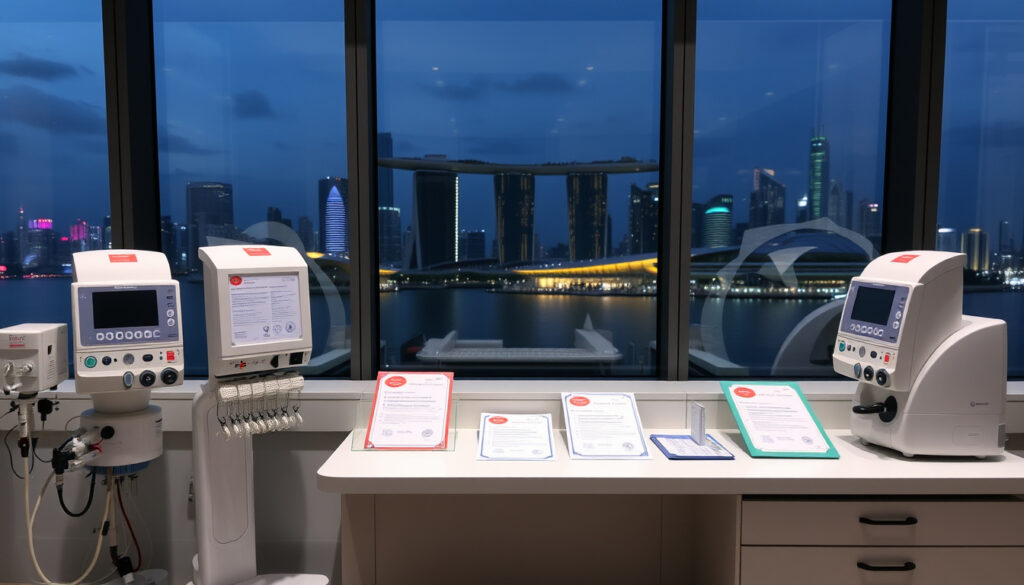
Singapore Dialysis Nurse Hiring – Jobs, Salaries & Qualifications
Singapore’s healthcare sector continues to face growing demand for dialysis nurses as chronic kidney disease rates climb alongside an aging population. Multiple dialysis nursing positions remain open across government hospitals, private clinics, and specialized renal centers, with over 25 active job postings tracked as of April 2026.
The market offers opportunities for both newly qualified nurses and experienced renal care professionals. Major employers including DaVita Singapore, SATA CommHealth, and government hospitals actively recruit staff nurses, senior staff nurses, enrolled nurses, and hemodialysis specialists. Understanding the qualifications, salary expectations, and application pathways can help candidates navigate this specialized field effectively.
This guide examines current hiring practices, required certifications, compensation ranges, and practical steps for those seeking dialysis nurse positions in Singapore’s healthcare system.
What Are the Qualifications Required for Dialysis Nurse Jobs in Singapore?
High demand driven by aging population and rising chronic kidney disease prevalence
SGD 3,000–4,800/month for permanent staff nurse positions
Government hospitals, DaVita Singapore, SATA CommHealth, Diaverum
SNB registration, nursing diploma/degree, BCLS certification
Key Insights on Singapore Dialysis Nurse Hiring
- Singapore’s aging demographic directly correlates with increased demand for renal care services and dialysis staffing
- Major healthcare providers report ongoing shortages of qualified dialysis nurses despite active recruitment efforts
- Private dialysis centers often offer competitive compensation packages compared to public hospital positions
- Candidates with prior renal nursing experience receive priority consideration, though employers do accept applications from nurses without dialysis specialization
- COVID-19 pandemic recovery has accelerated hiring across the healthcare sector, particularly in specialized roles
- Government initiatives to expand renal care capacity have created additional positions across the healthcare system
Snapshot of Key Facts
| Fact | Value | Source |
|---|---|---|
| Active Job Postings | 25+ positions | Indeed Singapore, April 2026 |
| Staff Nurse Salary Range | SGD 3,000–4,800/month | Indeed Singapore |
| Experience Required | 2–4 years (dialysis/renal) | Indeed Singapore |
| Entry-Level Experience | 1+ year minimum | Indeed Singapore |
| Available Roles | Staff Nurse, Senior Staff Nurse, Enrolled Nurse, Hemodialysis Nurse | Multiple employers |
| Key Registration | Singapore Nursing Board (SNB) | Employer listings |
How Much Do Dialysis Nurses Earn in Singapore?
Base Compensation Ranges
Dialysis staff nurse positions in Singapore typically offer monthly salaries ranging from SGD 3,000 to SGD 4,800 for permanent roles. These figures represent base compensation and may vary depending on employer type, experience level, and specific work arrangements.
Entry-level dialysis nurse positions generally start around SGD 3,200 per month, with opportunities for salary progression as nurses gain specialized experience and certifications. Senior dialysis nurses with extensive renal care backgrounds can command higher compensation packages reflecting their expertise.
Factors Affecting Salary
- Employer type: Government hospitals versus private dialysis centers may offer different compensation structures
- Experience level: Nurses with 5+ years of dialysis specialization typically earn toward the higher end of the range
- Qualification level: Additional certifications and specialized training can influence earning potential
- Shift arrangements: Positions involving night shifts or weekend work may include additional allowances
Specific benefit packages, overtime rates, and supplementary allowances are not consistently published across job listings. Candidates should discuss complete compensation details directly with potential employers during the interview process.
Where to Find Dialysis Nurse Job Vacancies in Singapore?
Major Employers and Hiring Organizations
Several large healthcare providers actively recruit dialysis nurses across Singapore. DaVita Singapore operates numerous dialysis centers throughout the island and regularly posts positions for qualified renal care professionals. SATA CommHealth also maintains dedicated kidney dialysis centers with ongoing staffing needs.
Diaverum, a global renal care provider, maintains a presence in Singapore and recruits dialysis nurses for their clinic network. Staffing agencies including WECRUIT and PERSOLKELLY frequently list dialysis nursing positions on behalf of healthcare clients.
Singapore Government Hospitals
Singapore’s public healthcare system, managed by regional health clusters, employs dialysis nurses across various institutions. These government hospital positions typically require General Nursing Midwifery (GNM) qualifications and at least one year of experience in a hospital setting with 100 or more beds.
Applications for government hospital positions generally follow centralized recruitment processes through the respective health cluster’s human resources departments.
How to Apply for Dialysis Nurse Positions in Singapore
Most employers direct candidates to apply through online job portals such as Indeed Singapore, where multiple dialysis nursing positions are listed. Job seekers can search using terms like “dialysis nurse,” “hemodialysis nurse,” or “renal nurse” to find relevant opportunities.
Direct applications to healthcare organizations remain viable, with many employers accepting speculative applications from qualified candidates. SATA CommHealth, for instance, maintains a dedicated careers portal for their kidney dialysis centre staff nurse positions.
When applying, ensure all nursing registrations and certifications are current. Employers typically request proof of Singapore Nursing Board registration and Basic Cardiac Life Support certification as part of the initial screening process.
What Training Is Needed to Become a Dialysis Nurse in Singapore?
Required Qualifications
Prospective dialysis nurses must first complete a nursing education program at the diploma or degree level. This foundational qualification in nursing establishes the clinical knowledge necessary for specialized renal care practice.
Following nursing education, candidates must obtain valid registration with the Singapore Nursing Board (SNB). This regulatory registration is mandatory for all nursing professionals practicing in Singapore and confirms that the individual meets established competency standards.
Essential Certifications
- Nursing diploma or degree from an accredited institution
- Valid Singapore Nursing Board registration
- Certificate of Basic Cardiac Life Support (BCLS)
Renal-Specific Training
While prior renal nursing experience is preferred by many employers, it is not always mandatory for entry. SATA CommHealth’s career listings explicitly state that candidates without renal-specific experience are encouraged to apply. This suggests willingness among some employers to provide on-the-job dialysis training for qualified nurses.
Nurses transitioning from other specialties may benefit from additional continuing education courses in renal care, though specific training pathways are not consistently detailed in public job postings.
The Basic Cardiac Life Support certification must remain current. Candidates should verify their BCLS validity before submitting applications, as expired certifications can delay the hiring process.
Visa Requirements for Foreign Dialysis Nurses in Singapore
Work Authorization Considerations
Foreign nurses seeking dialysis positions in Singapore must obtain appropriate work authorization. Singapore’s Employment Pass framework governs work permits for foreign professionals in specialized occupations, though specific pass categories for nursing positions are not detailed in current job listings.
The research findings do not contain specific information regarding visa sponsorship policies, Employment Pass Category (EPC) classifications, or dedicated Ministry of Health hiring programs for international dialysis nurses. Candidates are advised to consult directly with potential employers regarding their sponsorship practices. For more information on Medishield Life, please visit $singaporebrief.net.
Application Guidance
Foreign applicants should contact individual employers’ staffing departments to clarify visa sponsorship availability and any specific requirements for international candidates. The Singapore Nursing Board website provides guidance on registration requirements for overseas-trained nurses, which may involve additional verification processes. The Ministry of Manpower oversees employment pass applications and can provide general guidance on work authorization procedures.
Dialysis Nurse Hiring Trends Timeline
- 2019: Baseline demand for dialysis nurses established as chronic kidney disease prevalence continued rising in Singapore
- 2020–2021: Healthcare sector experienced significant staffing pressures due to pandemic-related demands, affecting hiring across all nursing specialties
- 2022: Recovery phase began with healthcare systems resuming normal hiring patterns and expanding services
- 2023: Increased recruitment activity reported as healthcare providers worked to address accumulated staffing gaps
- 2024–2026: Sustained demand for qualified dialysis nurses continues with over 25 active postings recorded as of April 2026
Hiring Facts vs Market Uncertainties
| Established Information | Information That Remains Unclear |
|---|---|
| Singapore Nursing Board registration required | Specific salary ranges for senior or specialized dialysis roles |
| BCLS certification mandatory | Exact number of annual vacancies across all employers |
| 2–4 years experience typically required | Detailed visa sponsorship policies for foreign applicants |
| Staff nurse salary range SGD 3,000–4,800 | Specific hiring quotas or government targets |
| Multiple employers actively recruiting | Breakdown of hiring demand between public and private sectors |
| 25+ active job postings as of April 2026 | Future demand projections beyond current period |
Salary figures and experience requirements sourced from publicly available job listings may not reflect all employment arrangements. Candidates should verify specific details with individual employers.
Why Demand for Dialysis Nurses Is Rising in Singapore
Singapore faces a demographic shift that directly impacts healthcare workforce requirements, particularly in specialized areas like dialysis care. The city’s aging population contributes to higher rates of chronic conditions including diabetes and hypertension, both of which represent leading causes of chronic kidney disease requiring dialysis treatment.
Healthcare infrastructure expansion across Singapore has also increased capacity for renal care services. New dialysis centers and expanded hospital facilities create ongoing demand for qualified nursing staff to deliver patient care. The Ministry of Health continues to monitor healthcare workforce needs across specialties, while the Health Professionals Portal provides guidance on professional registration and career development pathways.
While specific dialysis nurse demand statistics for 2024 are not detailed in current public sources, the persistent volume of job postings suggests sustained market need for qualified professionals in this area.
Expert Sources and Key Quotes
“Candidates without renal-specific experience are encouraged to apply.”
— SATA CommHealth Careers, Kidney Dialysis Centre Staff Nurse Listing
“Prior renal nursing experience is preferred but not always mandatory.”
— SATA CommHealth Careers
Key institutional sources relevant to dialysis nurse hiring include the Singapore Nursing Board, which sets registration standards, and the Ministry of Health, which oversees healthcare workforce planning. The Health Professionals Portal maintained by the Ministry provides guidance on professional registration requirements.
Next Steps for Aspiring Dialysis Nurses
Nurses interested in dialysis specialization should first verify their Singapore Nursing Board registration status and ensure Basic Cardiac Life Support certification remains current. Reviewing current job listings on major employment platforms can provide insight into specific employer requirements and available positions.
For candidates exploring broader healthcare career transitions, understanding the relationship between healthcare leadership and manpower policy offers valuable context. The career trajectory of Dr Tan See Leng – Healthcare CEO To Manpower Minister illustrates how nursing professionals can advance into influential policy roles shaping healthcare workforce development.
International candidates seeking guidance on healthcare employment pathways in Singapore may benefit from resources covering employment support programs. The E2i Job Fair 2025 – Complete Toronto Guide for Newcomers provides insights into workforce integration services that may offer relevant frameworks for healthcare professionals navigating new employment markets.
Frequently Asked Questions
What is the demand for dialysis nurses in Singapore?
Multiple employers actively recruit dialysis nurses with over 25 active job postings recorded as of April 2026. Demand is driven by an aging population and rising chronic kidney disease rates.
What are the working hours for dialysis nurses in Singapore?
Dialysis nurses typically work 8 to 12-hour shifts depending on employer arrangements. Shift lengths follow clinic standards, with some positions including weekend and night duties.
What certifications are required for dialysis nurses in Singapore?
Essential certifications include valid Singapore Nursing Board registration, Basic Cardiac Life Support certification, and a nursing diploma or degree from an accredited institution.
How long does it take to become a dialysis nurse in Singapore?
The timeline varies based on prior nursing qualifications. Candidates with existing nursing registration and BCLS certification may begin dialysis specialization quickly, while new nursing graduates must first complete their foundational program.
Do foreign nurses need a visa for dialysis jobs in Singapore?
Foreign nurses require appropriate work authorization to practice in Singapore. Specific visa categories and sponsorship policies vary by employer. Candidates should contact potential employers directly regarding sponsorship availability.
Can new nursing graduates apply for dialysis nurse positions?
Some employers accept applications from nurses without prior renal experience, though most positions prefer candidates with 2–4 years of related experience. Entry-level enrolled nurse positions may require as little as one year of dialysis center experience.
Which hospitals are hiring dialysis nurses in Singapore?
Singapore government hospitals, DaVita Singapore, SATA CommHealth, and Diaverum represent major employers actively recruiting dialysis nurses. Staffing agencies like WECRUIT and PERSOLKELLY also list positions on behalf of healthcare clients.
What is the difference between a hemodialysis nurse and a renal nurse?
Hemodialysis nurses specialize specifically in hemodialysis treatment, while renal nurses provide broader kidney disease care. Both roles involve similar core competencies in dialysis procedures and patient monitoring.
More related posts
 Tale of the Nine Tailed: Worth Watching, Ending & Season 3
 China Golden Week 2025: Dates & Travel Tips
 U-Save Rebate 2025: Singapore HDB Eligibility, Amounts & Dates
 SGD to Taiwan Dollar: Best Rates, Budget & ATM Fees
 Remote Part Time Jobs Singapore: 2026 Guide & Tips
 Ceiling Fan With Light Singapore – Best DC Models For HDB Flats
 Best Free Movie Streaming Sites 2025: Plex, Tubi & More
 SG to India Currency – Latest Rate and Converter
