Why Is My Poop Green? Causes, Duration, When to Worry
Anyone who’s ever glanced down and seen green in the toilet bowl knows the moment comes with a jolt of confusion. It’s usually harmless, but the quick answer is that green stool is most often about speed — how fast food moves through your gut — rather than a sign of liver trouble.
Primary cause: Diet (leafy greens, food dyes, rapid transit) ·
Typical duration: 1–3 days ·
When to worry: Accompanied by pain, fever, or persistent >1 week ·
Common mechanism: Bile not fully broken down due to fast digestion
Quick snapshot
- Green stool from dietary sources (leafy greens, dyes) is harmless and temporary (Mayo Clinic (leading academic medical center))
- Rapid intestinal transit is a common cause (Children’s Hospital Colorado (pediatric research hospital))
- Liver disease does not typically cause green stool (Cleveland Clinic (academic medical center))
- Anxiety as a direct cause of green stool is not well-established; stress may alter digestion (Ubie Health (AI-powered symptom checker))
- The exact prevalence of green stool due to specific infections is not quantified in major sources (Vinmec International Hospital (accredited healthcare network))
- Diet-related green stool: resolves 1–3 days after trigger removal (Northwestern Medicine (academic medical center))
- Infection-related green stool: resolves when underlying infection resolves (typically 3–7 days) (UnityPoint Health (regional healthcare system))
- If green stool persists >1 week with no clear dietary cause, seek medical evaluation (MedlinePlus (NIH service))
- Watch for red flags: abdominal pain, fever, blood in stool, weight loss (WebMD (health information platform))
Here are the key facts at a glance.
| Category | Details |
|---|---|
| Most common cause | Diet (leafy greens, dyes) |
| Key mechanism | Bile remains green because of fast intestinal transit |
| Typical recovery | 1–3 days after trigger removal |
| When to see doctor | Green stool lasting >1 week or with pain, fever, blood |
| Liver connection | Green stool is rarely linked to liver disease (liver issues cause pale stool) |
What does it mean when you poop green?
Basic mechanism: bile and transit time
Bile is a yellow-green fluid your liver produces and your gallbladder stores to help digest fats (UnityPoint Health (regional healthcare system)). As bile travels through the digestive tract, enzymes chemically alter it, shifting its color from green to brown (Mayo Clinic (leading academic medical center)). When food moves through your system faster than usual — because of diarrhea, stress, or a stomach bug — bile doesn’t have time to break down completely, and your stool stays green.
Think of bile like dye in a water slide: the longer the ride, the more it mixes and fades. A fast ride means it hits the end still bright green.
For most people, green stool means digestion is running a little fast. If you’ve eaten something green recently, you have your explanation. The catch: if you haven’t eaten anything green, the culprit is likely speed — not a new health problem.
Understanding the role of bile is key to distinguishing harmless green stool from signs of illness.
Common causes overview
Diet is the most frequent reason for green stool (Vinmec International Hospital (accredited healthcare network)). The main dietary triggers include:
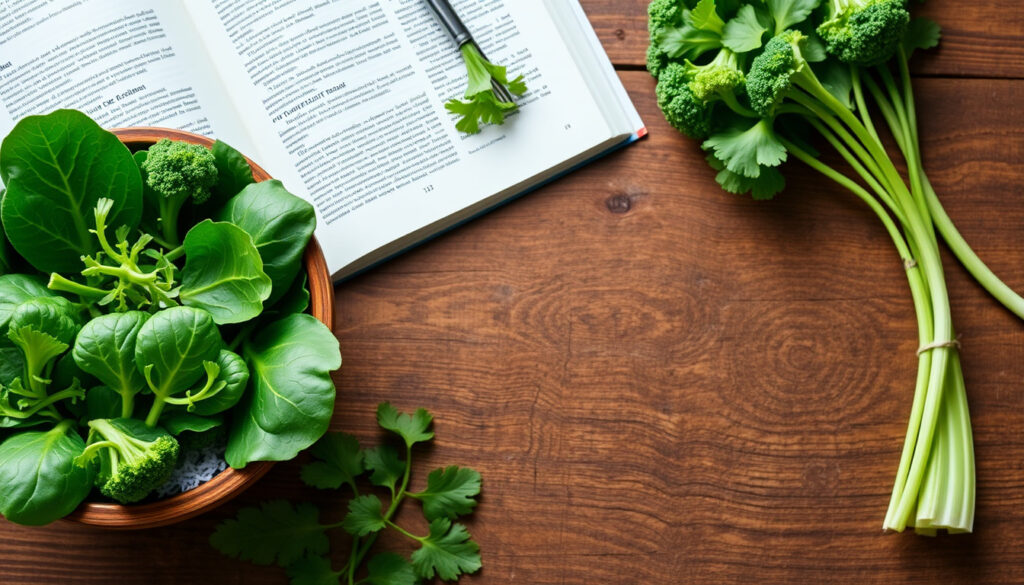
- Green leafy vegetables — spinach, kale, collard greens (the chlorophyll pigment passes straight through)
- Green food coloring in drinks, candies, ice pops, and Jell-O
- Iron supplements or foods fortified with iron
Why is my poop green when I didn’t eat anything green?
Non-dietary causes: rapid transit, medications
Rapid digestion from diarrhea can cause green stool even without consuming green food (Children’s Hospital Colorado (pediatric research hospital)). Diarrhea from any source — food poisoning, viral infection, irritable bowel syndrome — speeds up transit time and leaves bile unchanged.
Certain medications and supplements can also turn stool green (Ubie Health (AI-powered symptom checker)):
- Iron supplements — can produce dark green or even black stool (Cleveland Clinic (academic medical center))
- Antibiotics — disrupt gut bacteria, altering stool color
- Laxatives — speed up bowel transit
Hidden sources of green color
Sometimes the green isn’t obvious. Dark beer, spirulina, wheatgrass, chlorella, and matcha powder can all tint stool green. Even some blue or purple foods (like blueberries or grape juice) can mix with bile to produce a greenish appearance. Green food coloring in unexpected foods — such as pistachio ice cream, green tea ice cream, or certain sports drinks — is another hidden source (Northwestern Medicine (academic medical center)).
The implication: If you eat a varied diet and have no other symptoms, the most likely explanation is something you consumed within the past 24–48 hours — even if you don’t remember it being green.
Is green stool due to infection?
Bacterial vs. viral infections
Infections that cause diarrhea can produce green stool because of speeded-up transit (Ubie Health (AI-powered symptom checker)). Both bacterial infections (Salmonella, E. coli) and viral infections (norovirus) can trigger diarrhea that results in green stool.
Green stool alone is not a reliable sign of infection. The key distinction is what else is happening:
- Infection likely — green stool accompanied by fever, cramping, nausea, vomiting, or urgency
- Infection less likely — green stool without other symptoms, especially if you can trace it to a diet or medication change
When infection is likely
Food poisoning is a common scenario that can cause rapid digestion and green stool (Vinmec International Hospital (accredited healthcare network)). If you ate something questionable 6–24 hours before the green stool appeared and you have cramps or nausea, food poisoning is a reasonable guess.
Parasitic infections like Giardia can also cause green, foul-smelling diarrhea — but these are less common in the general population and more likely after travel or contaminated water exposure.
Green stool as a standalone symptom is not enough to diagnose an infection. The pattern to watch for is green stool plus fever, vomiting, or severe cramping. Without those companions, infection is an unlikely explanation for a color change alone.
Thus, green stool without accompanying symptoms is rarely infection-related.
How long is it okay to poop green?
Typical duration for diet-related changes
Green stool from diet usually resolves in 1–3 days once the trigger is removed (UnityPoint Health (regional healthcare system)). If you ate a big spinach salad on Monday, expect your stool to be back to its normal brown by Wednesday or Thursday.
For medication-related green stool, the color change lasts as long as you’re taking the medication. Iron supplements, for example, can cause green or dark stool throughout the entire course of supplementation (Cleveland Clinic (academic medical center)).
When duration signals a problem
Persistent green stool lasting more than one week warrants medical evaluation, especially if accompanied by other symptoms (MedlinePlus (NIH service)). This timeline matters because:
- Dietary triggers cycle out within 1–3 days
- Most acute infections resolve within 5–7 days
- Persistent green stool beyond a week may indicate an underlying condition affecting absorption or motility
The pattern: Short-term green stool is almost always benign. The threshold for concern is when the color change persists beyond a week or returns repeatedly without an obvious trigger.
When is green poop serious?
Red flags: blood, pain, weight loss
Green stool is rarely an emergency, but seek care if accompanied by abdominal pain, fever, or black/tarry stool (WebMD (health information platform)). The red flags that change green stool from a curiosity to a medical concern include:
- Blood mixed in the stool — red streaks or black/tarry appearance
- Severe or worsening abdominal pain — especially if cramping is relentless
- Fever over 101°F (38.3°C)
- Unintentional weight loss — losing weight without trying alongside persistent green stool
- Dehydration signs — dry mouth, dark urine, dizziness, extreme thirst
Differentiating harmless from urgent
Liver issues usually cause pale or clay-colored stool, not green — a point consistent across major medical sources (Mayo Clinic (leading academic medical center)). This is important because the common worry “is this my liver?” is almost always the wrong question for green stool.
Green stool is not a sign of cancer. Cancer-related stool changes typically involve blood (red or black), narrowing of stool caliber, or unexplained changes in bowel habits — not a green hue alone.
By treating every green stool as a potential emergency, you’ll spend unnecessary time and money. By ignoring it completely when red flags are present, you risk missing a treatable condition. The smart move: check for red flags first. If none are present, wait 3–5 days before calling a doctor. If red flags are present, call now.
Knowing these red flags helps you decide when to seek care.
“Green stool can occur when food moves too quickly through the colon, leaving bile intact.”
— Mayo Clinic gastroenterology experts
“Leafy greens are a common cause because of chlorophyll, but green stool is usually nothing to worry about.”
— Northwestern Medicine gastroenterologist
For the average reader who’s wondering “should I worry?”, the decision is clear: check for pain, fever, and blood. If you have none of those, give it a few days and eat a normal diet. Your gut will likely sort itself out — and if it doesn’t within a week, a quick visit to your primary care doctor will settle any lingering doubt.
Frequently asked questions
Can green poop be caused by iron supplements?
Yes. Iron supplements are a well-documented cause of green or dark stool (Cleveland Clinic (academic medical center)). The color change is harmless and lasts as long as you’re taking the supplement.
Does green poop mean I have an infection?
Not necessarily. Many infections that cause diarrhea can produce green stool, but green stool alone is not a reliable indicator of infection. Look for fever, cramping, and urgency as accompanying signs (Ubie Health (AI-powered symptom checker)).
Is green poop a sign of cancer?
No. Cancer-related stool changes typically involve blood (red or black), narrowing of stool caliber, or persistent changes in bowel habits — not a green color alone. Liver issues cause pale or clay-colored stool, not green.
What does green poop look like?
Green stool can range from bright emerald green to a dark forest green. The consistency varies: in diarrhea it’s often liquid or mushy with a green tint, while with dietary causes it can be formed but greenish.
Should I go to the doctor for green poop?
Most cases don’t require a doctor. Seek medical attention if green stool persists >1 week without a clear cause, or if accompanied by abdominal pain, fever, blood in stool, or unintentional weight loss (MedlinePlus (NIH service)).
Can green poop be caused by food poisoning?
Yes. Food poisoning causes rapid digestion and diarrhea, which can produce green stool. Look for symptoms like nausea, vomiting, and cramping within 6–24 hours of eating questionable food (WebMD (health information platform)).
Is green poop normal during pregnancy?
Green stool can occur during pregnancy due to prenatal iron supplements, hormonal changes affecting digestion speed, or dietary changes. It’s usually harmless, but should be discussed with a healthcare provider if persistent or accompanied by other symptoms.
More related posts
 HMS Prince of Wales in Singapore: 2025 Visit Details & Facts
 7 Warning Signs of Dengue Fever: Spot Early – CDC Guide
 Hokkaido Weather in June: Temperature, Clothing & Activities
 India Rupee to SGD: Live Rate, Conversion & Travel Guide
 Aston Villa vs Bournemouth Lineups: Predicted XI & Team News
